

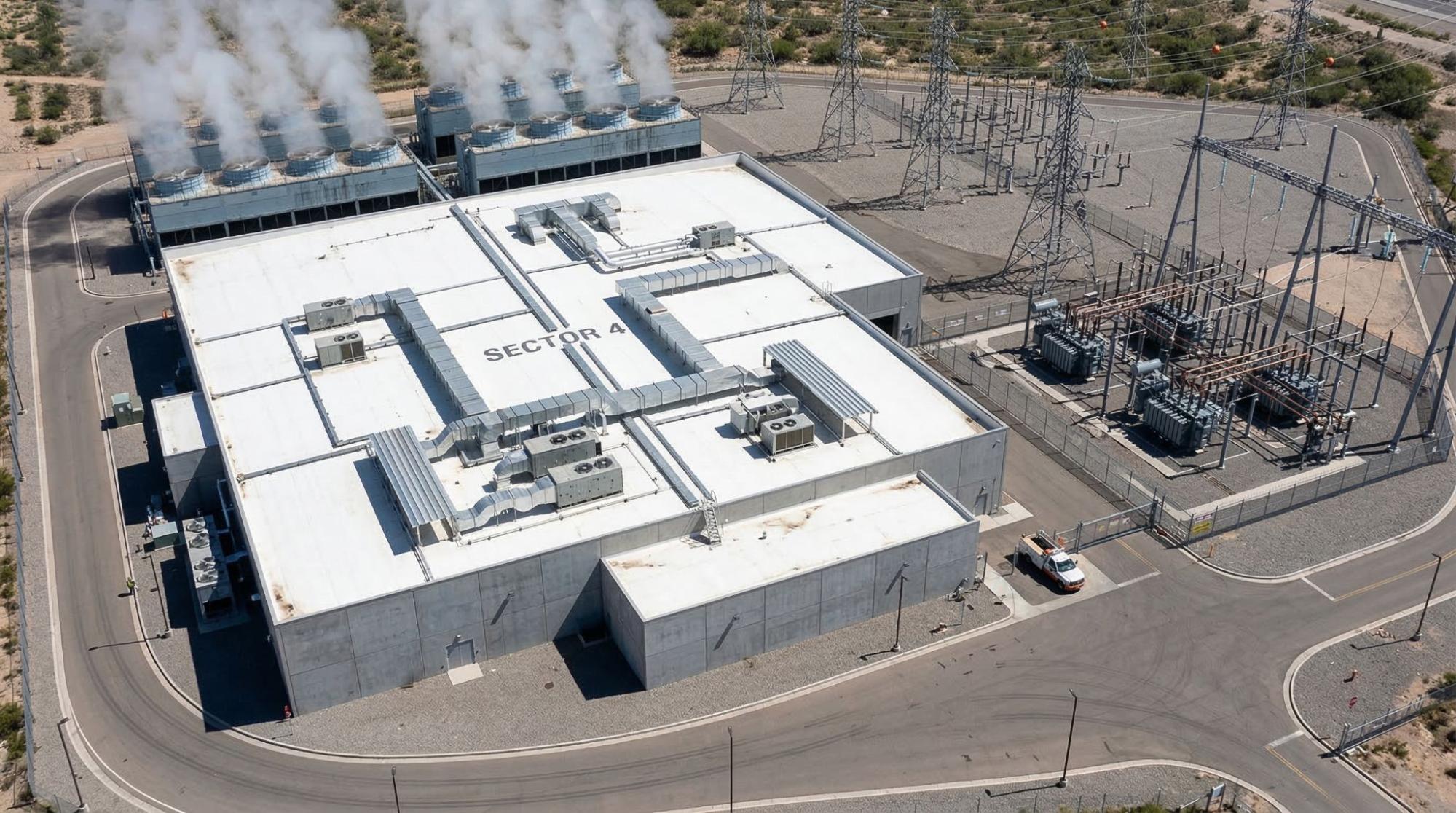
The rapid expansion of data center construction has created unprecedented demand across building materials, construction, and oil and gas industries responsible for delivering the physical infrastructure behind modern digital operations. Massive investments in power systems, structural development, cooling infrastructure, and industrial construction projects continue accelerating across major markets. As these projects grow in size and complexity, companies must compete aggressively to secure enterprise contracts and long-term supply agreements. While much attention is placed on technical labor shortages, the most significant constraint increasingly lies in securing elite, revenue-producing sales professionals capable of winning large-scale opportunities. Organizations relying on traditional hiring strategies are discovering that the true bottleneck is not project availability but access to proven sales talent who can convert market demand into revenue growth.

Data center growth represents one of the largest construction-driven investment cycles in recent years, requiring extensive coordination among contractors, suppliers, and energy providers. These facilities depend on large volumes of concrete, steel, electrical distribution systems, backup power equipment, and specialized mechanical infrastructure delivered through complex supply chains. Revenue teams play a critical role in securing these opportunities by navigating procurement processes and establishing long-term partnerships with developers and contractors. As competition intensifies, companies require sales professionals who already understand industrial project environments and possess established industry relationships. The challenge arises because the number of professionals capable of operating at this level has not expanded at the same pace as market demand.
Industry discussions often focus on shortages of engineers, electricians, and skilled trades, yet many organizations overlook the parallel shortage within revenue leadership roles. Winning data center construction projects requires sales professionals who understand budgeting cycles, deployment timelines, and stakeholder coordination across multiple organizations. These individuals must translate technical capabilities into business value while managing negotiations involving significant financial commitments. General sales experience is rarely sufficient because infrastructure markets demand deep familiarity with industrial buying behavior and long-term project planning. Traditional job postings generate applicant volume but seldom attract individuals with the performance history necessary to influence enterprise-level purchasing decisions.
Successful infrastructure sales professionals typically demonstrate:
A major contributor to the talent shortage is demographic change within construction and industrial sales sectors, where many experienced professionals are approaching retirement. These individuals possess decades of industry relationships and institutional knowledge that cannot be quickly replaced through traditional hiring pipelines. At the same time, rapid infrastructure expansion has increased competition among companies pursuing the same limited pool of experienced sales talent. Organizations face growing pressure to secure professionals who can contribute immediately rather than requiring extended development periods. Compensation expectations are rising as companies compete for proven performers capable of delivering immediate revenue impact.
Most hiring systems operate reactively by posting open roles and waiting for candidates to apply, which prioritizes accessibility rather than excellence. Elite sales professionals within building materials, construction, and oil and gas sectors rarely participate in these processes because they are already successful in their current positions. They are not recent graduates and they are not actively seeking employment, as their performance already provides strong compensation and career stability. Consequently, traditional recruiting pipelines frequently produce candidates lacking consistent revenue achievement or enterprise sales experience. Organizations relying solely on inbound applicants unknowingly exclude the highest-performing segment of the workforce.
How to Streamline Your Sales Recruitment Process
When demand accelerates rapidly, companies sometimes attempt to scale teams by hiring less experienced salespeople in hopes of building future capability. While expanding headcount may appear to address staffing needs, enterprise infrastructure sales require expertise developed through years of competition and relationship building. Inexperienced hires require significant training and supervision, delaying revenue contribution and increasing operational costs. Complex construction projects demand mature negotiation skills and credibility with senior decision-makers, qualities that cannot be accelerated through onboarding alone. Strategic growth therefore depends on upgrading talent quality rather than increasing hiring volume.
Enterprise sales success requires:

There is a fundamental difference between recruiting applicants and targeting revenue producers who consistently outperform competitors. Traditional recruiting focuses on candidates searching for employment, while true headhunting identifies professionals already succeeding within comparable organizations. This approach involves researching industry leaders, evaluating measurable performance outcomes, and conducting confidential outreach to high earners motivated by stronger opportunities. Headhunting does not rely on job postings or entry-level placement strategies but instead targets the individuals responsible for driving revenue within their current companies. By engaging professionals who are competitive and financially motivated, organizations gain access to talent capable of delivering immediate results.
Effective headhunting includes:
Why Skilled Workers Aren’t Applying to Your Job Posts & How Headhunters Bridge the Gap

The shortage of elite sales talent has significant financial implications for companies competing in data center construction markets. Without experienced revenue producers, organizations may struggle to secure contracts, maintain pipeline momentum, or expand territory coverage effectively. Sales cycles may lengthen, project opportunities may be missed, and competitors with stronger teams may consolidate market share. Traditional hiring limits access to the broader talent landscape by focusing only on visible candidates actively applying for roles. Companies investing in proactive headhunting strategies position themselves to capture opportunities before competitors can respond.
Key risks associated with talent shortages include:
Data center construction expansion will continue driving demand across building materials, construction, and oil and gas industries for years to come. Organizations seeking sustained growth must align hiring strategies with the realities of modern infrastructure markets rather than relying on outdated recruiting practices. Building high-performing revenue teams requires proactive identification of elite talent, rigorous performance evaluation, and strategic outreach to professionals already operating at the highest level. Companies that shift from reactive hiring to true headhunting gain access to the individuals capable of converting industry growth into measurable business results. In competitive infrastructure markets defined by speed, capital investment, and large-scale contracts, the difference between searching for availability and targeting performance ultimately determines long-term success.




.svg)