

Artificial intelligence feels invisible when you open an app or ask a chatbot a question, but the technology runs on massive physical infrastructure. Behind every AI model sits a network of data centers filled with servers, networking equipment, and cooling systems that operate around the clock. As companies deploy increasingly powerful AI systems, the electricity required to run them is rising fast.
The growing reliance on artificial intelligence has pushed data centers into the spotlight. Tech companies are building larger facilities and filling them with advanced processors designed specifically for AI training and inference. These chips can perform huge numbers of calculations every second, but they also consume significant amounts of power. Multiply that across thousands of machines running simultaneously and the electricity demand becomes substantial.
Training an AI model involves processing enormous datasets through layers of neural networks. The hardware performing this work runs at high utilization levels for extended periods, often weeks at a time. Unlike traditional computing workloads that fluctuate, AI training jobs typically run continuously until the process finishes.
Once models are trained, they still require energy every time someone uses them. Chatbots, recommendation engines, image generators, and language models all rely on servers performing complex calculations in real time. The combined effect of billions of daily interactions adds another layer of electricity demand.
Researchers and policymakers are paying attention because the scale is increasing quickly. Reports discussing the "surge in electricity demand from AI data centers" describe how new facilities are already influencing regional power forecasts and long term grid planning.
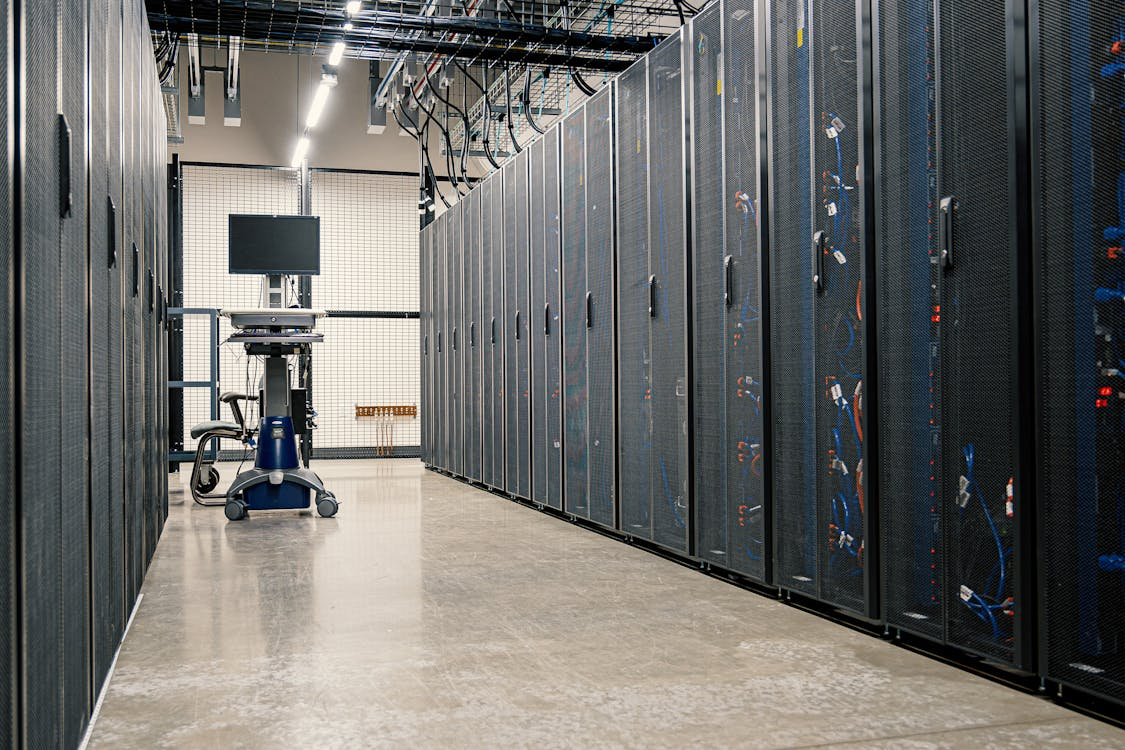
A modern data center operates like a highly specialized industrial facility. Rows of server racks contain processors, storage systems, and networking equipment that manage enormous volumes of information. These machines must stay online continuously, which means both power and cooling systems need built in redundancy.
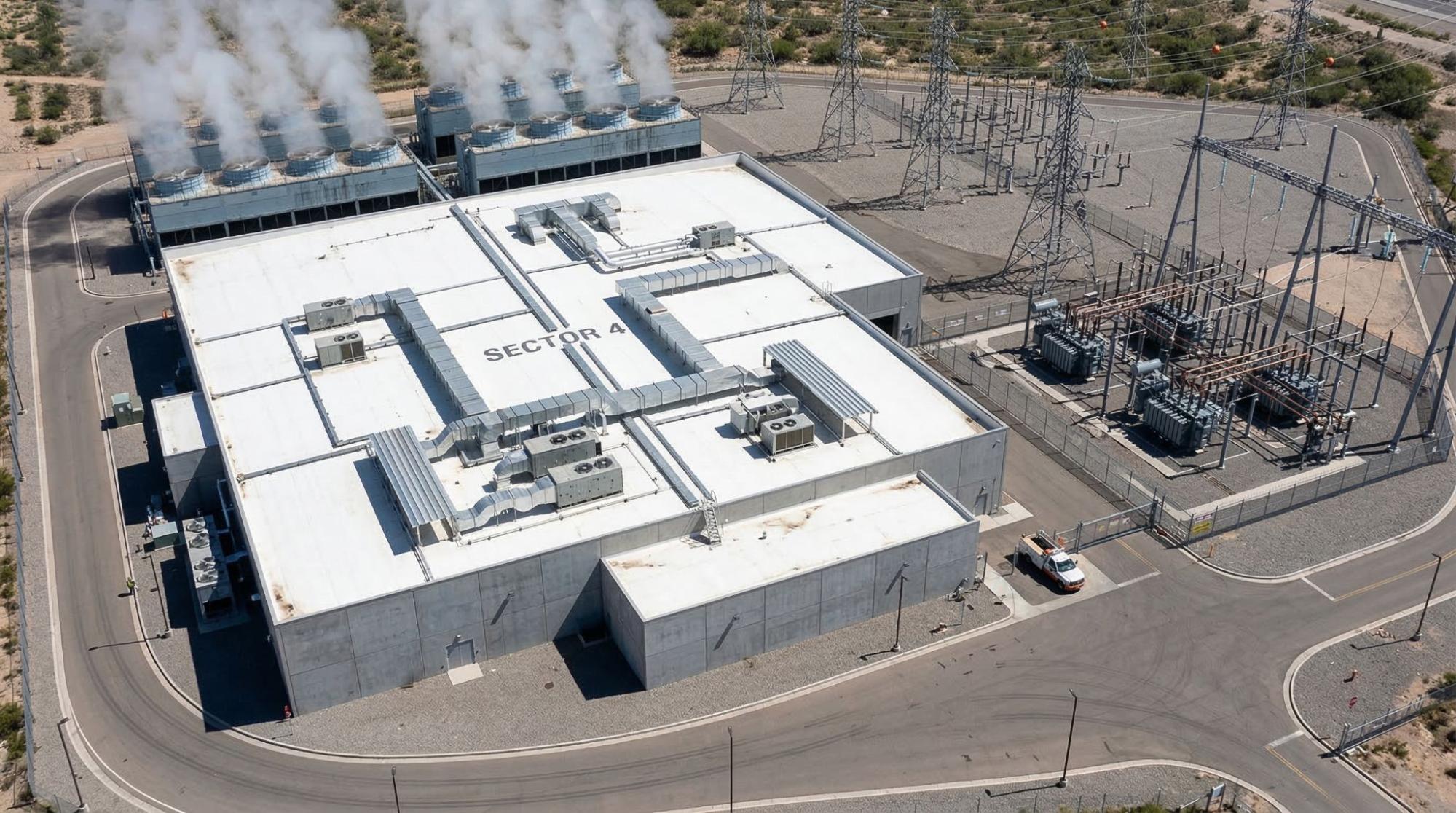
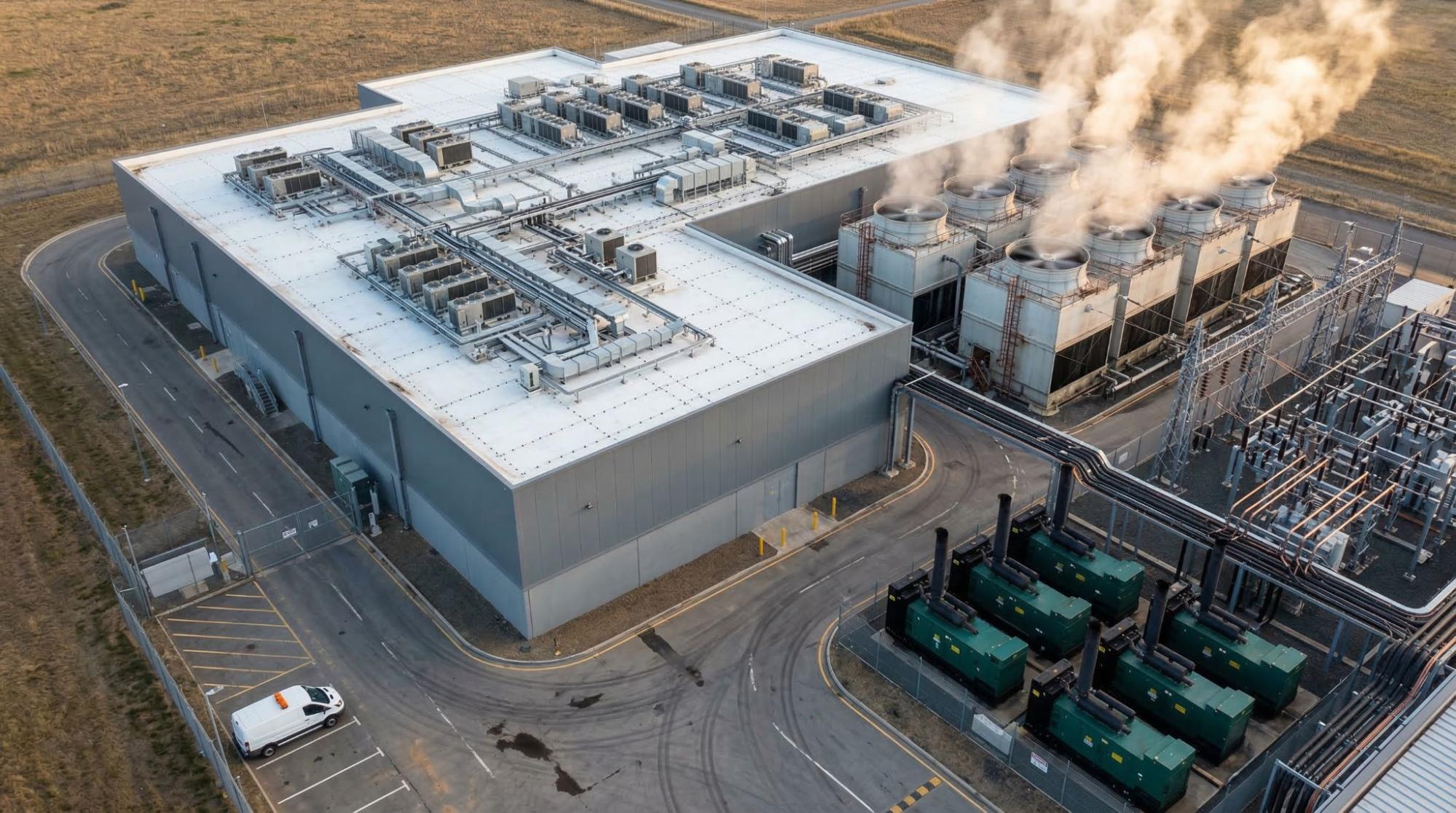
Cooling is one of the largest contributors to electricity consumption. Servers generate heat as they process data, and that heat must be removed to prevent hardware failure. Operators rely on air cooling systems, chilled water loops, and increasingly advanced liquid cooling technologies to keep temperatures stable.
The physical scale of these buildings also matters. Some of the newest facilities span hundreds of thousands of square feet and contain tens of thousands of GPUs. When a single facility operates at this scale, it can consume as much electricity as a small town.
Power Generation Recruiting Agency
Utilities and grid planners are beginning to adjust their forecasts because of the rapid expansion of AI infrastructure. Analysts increasingly point to "AI data centers sending power bills soaring" as evidence that the digital economy is influencing electricity markets.
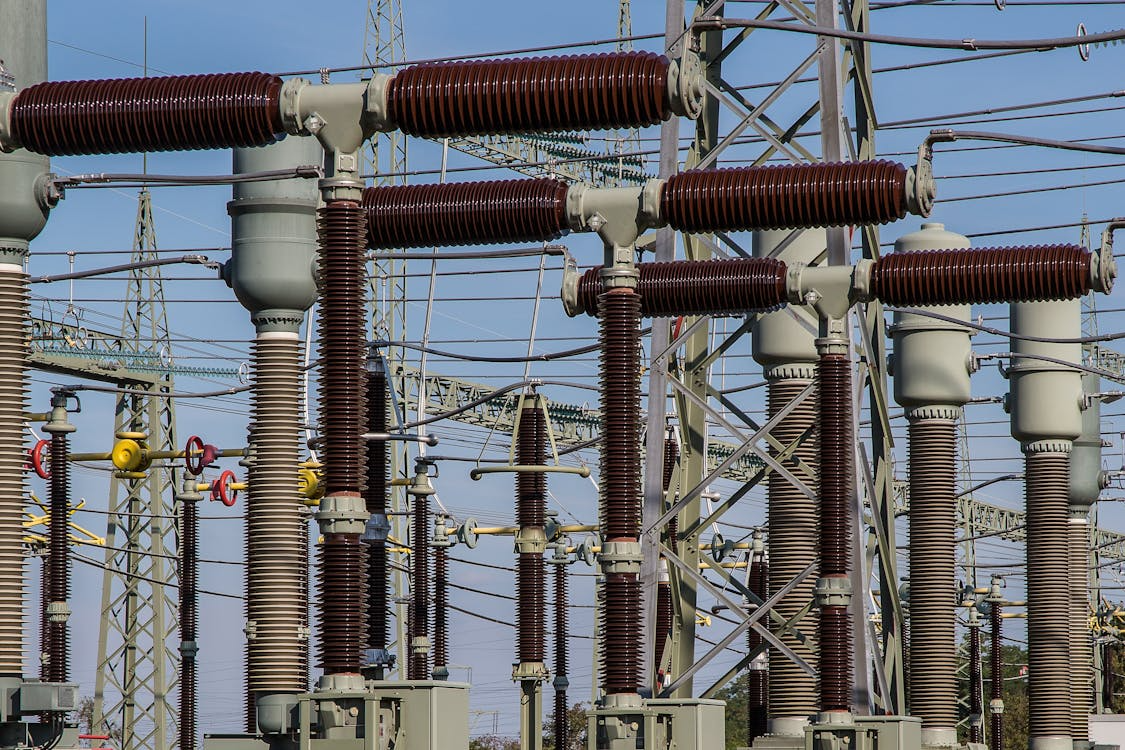
Energy analysts also warn about "data centers driving up your electric bills" in regions where power demand is rising faster than generation capacity. When new computing clusters connect to the grid, utilities sometimes need to build additional transmission lines, substations, or generation assets.
These changes affect more than technology companies. Power producers, utilities, and energy developers are now planning projects specifically designed to support the digital economy.
Businesses building new infrastructure often turn to specialists like a power generation recruiting agency when assembling leadership teams capable of managing complex energy projects tied to this growth.
Energy providers are exploring multiple strategies to meet the rising demand created by AI computing. Some utilities are expanding renewable generation capacity such as wind and solar, while others are adding natural gas plants or upgrading existing infrastructure.
Technology companies are also entering long term power purchase agreements to secure reliable electricity supplies for their facilities. These agreements allow developers to finance new power projects while guaranteeing the data centers will have the electricity they need.
At the same time, workforce challenges are emerging. Energy infrastructure projects require experienced sales leaders, engineers, and project managers who understand complex markets. Companies looking to strengthen their teams often work with firms that specialize in energy oil recruiting agency placements to identify high performing professionals capable of driving growth in competitive sectors.
Organizations planning major infrastructure expansion often need elite revenue generators to lead business development efforts. Companies expanding their energy infrastructure often need high-performing sales leaders, and organizations looking to scale quickly can find elite sales talent for your company.
Large infrastructure expansions rarely succeed without strong leadership teams. Building new power generation projects, negotiating contracts, and coordinating large construction efforts requires experienced professionals who understand both the energy sector and complex industrial markets.
Industry leaders often study the role of headhunters in building all-star oil gas teams because the stakes are high when recruiting executives responsible for major projects. When a new power plant or data center cluster enters development, the companies involved need sales leaders who can open doors, close deals, and move complex initiatives forward.
Energy infrastructure development and AI computing growth are now closely connected. As technology companies build more data centers, energy companies must scale operations quickly, and that requires the right talent in the right roles.
Related: Energy & Oil Recruiting Agency
Analysts expect electricity demand from AI data centers to keep rising for years. New AI models require more computing power than earlier generations, and global adoption is accelerating across industries including healthcare, finance, logistics, and manufacturing.
Technology companies are already exploring ways to make their facilities more efficient. New chips are being designed to perform calculations with lower energy requirements, and advanced cooling systems are improving how heat is managed inside server rooms.
Even with these improvements, the overall trend still points upward. More AI applications mean more computing infrastructure, and that means continued pressure on power generation capacity.
Organizations preparing for this shift often evaluate how their leadership teams can keep pace with industry change. Companies that want to strengthen their recruiting strategy can review Paragram Partners’ approach to building high performing sales teams.
Energy companies navigating rapid growth often reassess how they recruit leadership talent, which is why many organizations see why companies choose Paragram Partners when building high-impact sales teams.
Artificial intelligence may feel like a purely digital technology, but it depends heavily on physical infrastructure powered by electricity. Data centers, servers, cooling systems, and high performance chips all contribute to the growing energy footprint of modern computing.
As AI adoption expands, the relationship between technology companies and the energy sector will become even more important. Utilities, developers, and power producers will play a central role in supporting the next generation of digital services while keeping energy systems reliable and scalable.



.svg)